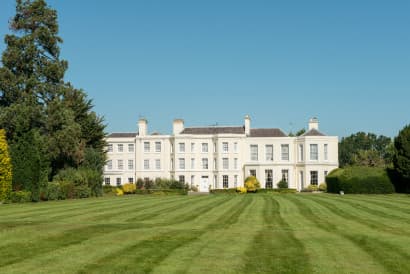


Spotlight on Buxton Crescent Hotel
The town of Buxton in Derbyshire has a thriving spa tradition, epitomised in The Buxton Crescent Hotel and its beautiful Ensana spa. Here's what you need to know.
Read full postWhile tradition has it that we're all preoccupied with youth, it turns out that we're increasingly turning our attention to healthy ageing.
In their article referencing McKinsey’s Future of Wellness research, they write:
"A move toward preventative medicine, the growth of health technology, and advances in research on antiaging products are propelling demand for products and services that support healthy aging and longevity. Around 70 percent of consumers in the United Kingdom and United States and 85 percent in China said they purchased more in the healthy-aging category in the past year than in prior years. The results were similar across age groups."
Other key areas of growth included:
Meanwhile, Spa Business began the year reporting on the rise in the so-called longevity arena, where luxury spa and wellness destinations are making significant investment in services including preventative care, functional health, and personalised programmes to boost longevity and health.
Referencing McKinsey, they wrote: "Older people are fuelling this trend – McKinsey says that by 2030, one in six people in the world will be over 60 – but younger people are also increasingly looking for preventative solutions."
The longevity trend refers to the growing focus on extending human lifespan and improving 'healthspan', meaning not just living longer living with better health as well. It encompasses a variety of scientific, technological, societal, and cultural elements, all geared towards achieving longer, healthier lives.
For example, key aspects of the longevity trend include:
Discoveries in genetic engineering, such as CRISPR (gene editing), have led to potential breakthroughs in slowing down or reversing age-related diseases by targeting genes that influence ageing. Some scientists are investigating ways to repair or regenerate damaged cells, tissues, and organs.
Telomeres, the DNA sequences at the ends of chromosomes, shorten with age. Research suggests that lengthening telomeres or slowing their degradation could delay aging and extend lifespan, and it's an area of increasing research.
Understanding how cells age and become senescent (a characteristic relating to ageing) is a critical area of interest in our understanding of age-related diseases like Alzheimer's, diabetes, and cardiovascular conditions.
Stem cells have been an area of growing interest for some time, for their potential to repair damaged tissues, organs, and perhaps replace lost cells.
NAD+ (Nicotinamide adenine dinucleotide) is a molecule that plays a key role in metabolism and cell repair. Supplements that boost NAD+ levels are being studied for their potential to delay aging processes.
In some studies, caloric restriction and intermittent fasting have been shown to extend lifespan in animal models, although it seems inconclusive at the moment. Those potential effects on human longevity are being studied, along with approaches that may improve cellular repair mechanisms and reduce the risk of age-related diseases.
It's no secret AI is being used to accelerate drug discovery, analyse health data for patterns, and personalise treatments, while machine learning can also help identify new pathways for improving health and preventing illness.
Wearable tech has been a growing trend in healthcare for a while now, with devices ranging from fitness trackers and smartwatches to health monitors that can track vital signs, sleep patterns, and physical activity, all helping people to optimise their lifestyle.
Our a more holistic note, a focus on the impact of our diets particularly relating to nutrient-rich foods, antioxidants and polyphenols (found in plants), is thought to slow ageing and help prevent age-related diseases. The Mediterranean diet is often cited as a longevity-promoting diet. However our knowledge base is continually growing and that provides a world of opportunity.
Similarly, regular physical activity has long been recognised as one of the most effective ways to maintain health and longevity. Studies consistently show that exercise, particularly aerobic and resistance training, helps prevent chronic diseases like heart disease, diabetes, and arthritis, and improves mental health.
Quality sleep is vital for cellular repair, memory consolidation, and overall health. Chronic sleep deprivation has been linked to various health issues, including shorter lifespan.
The impact of chronic stress remains under constant review, but it's now shown to accelerate ageing by increasing inflammation and shortening telomeres. Practices like mindfulness, meditation, and yoga are increasingly emphasised for longevity.
Many cultures are embracing the idea of multigenerational living, where younger and older generations live together or share resources. This can provide mutual support, improve mental health, and reduce loneliness, all of which contribute to longevity.
Psychological factors, like having a sense of purpose, social connections, and a positive outlook on life, are associated with increased lifespan. This has been demonstrated by studies of Blue Zones — regions with notably high rates of longevity, such as Okinawa (Japan), Sardinia (Italy), and Nicoya (Costa Rica).
The longevity sector has become a booming industry, with investments flowing into biotechnology, supplements, healthcare innovations, and wellness products aimed at extending life and improving quality of life as we age. In the spa world, longevity clinics are embracing that mindset with a world of wellbeing options, such as (but not limited to):
If you like this post, here are some similar ones that you might be interested in:
The town of Buxton in Derbyshire has a thriving spa tradition, epitomised in The Buxton Crescent Hotel and its beautiful Ensana spa. Here's what you need to know.
Read full postClose to Windsor, the setting for this year's much anticipated coronation events, Burnham Beeches Hotel is an elegant former hunting lodge that dates back to 1727. Now a hotel and spa offering modern hospitality and award-winning experiences, here's what you need to know.
Read full postThe W Hotels collection is famous for their particular brand of contemporary luxury and in the heart of Edinburgh they have brought it together in spectacular spa style. Here's what you need to know.
Read full post