



Sauna is the new pub: A guide to the UK's sauna culture boom
From Aufguss and Sauna Masters to Russian banya, what you need to know and where to start.
Read full postFrom wearable data to immersive relaxation, we explore how smart technology is enhancing the spa experience while keeping wellbeing at its heart.
The modern spa experience is evolving in lots of ways, and perhaps unsurprisingly alongside calming scents, warm pools and skilled therapists, a new layer of technology is quietly reshaping how we relax, recover and understand our wellbeing - or at least adding more options.
From wearable tech and biofeedback to immersive virtual reality and app-based wellness, science-led tools are increasingly part of the spa landscape. The goal isn’t to replace human care, but to enhance it, because when it’s thoughtfully integrated, technology can help tailor treatments, deepen relaxation and extend the benefits of a spa visit long after you leave.
One of the biggest shifts in the wellness industry is the move towards personalisation. Rather than a one-size-fits-all treatment, spas are beginning to use technology to better understand how each individual responds to stress, rest, and recovery, and to personalise spa experiences.
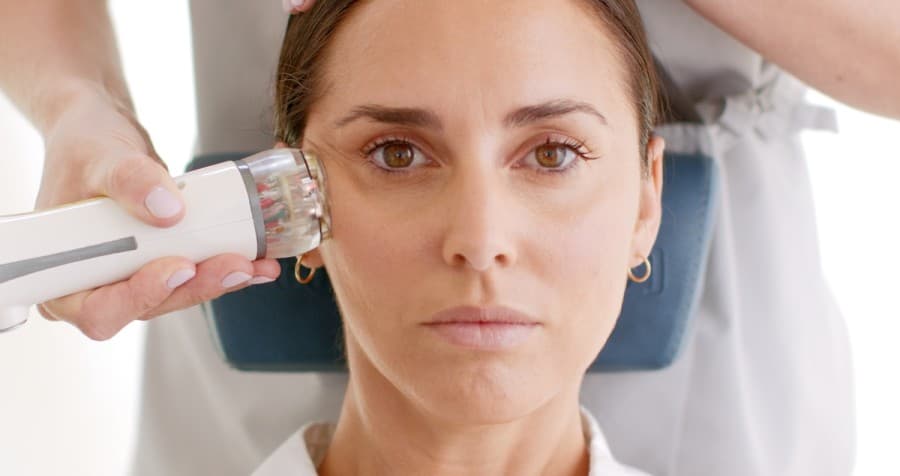
Biofeedback tools, wearable tech and digital wellness assessments can offer insights into heart rate variability, breathing patterns and sleep quality. These help therapists and practitioners to adapt treatments to suit each guest’s needs, whether that’s deeper relaxation, improved sleep or stress management.
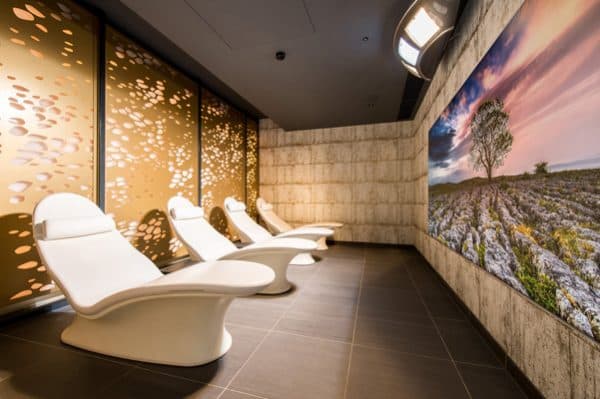
High-tech wellness experiences have also emerged as a result, where scientific tools are used to support the body’s natural ability to rebalance and repair. Importantly, this isn’t about making the spa experience clinical, but using technology quietly in the background to refine and personalise treatments while the sensory experience remains calming and restorative.
One of the most exciting developments in spa wellness is the use of immersive technologies to support relaxation and mindfulness.
Virtual reality meditation experiences, for example, can transport you to calming natural environments, like forests or oceans, while guiding breathing exercises or mindfulness practices. Research suggests these immersive experiences can help reduce stress and improve attention and emotional regulation by encouraging slower breathing and deeper engagement with relaxation techniques.
Studies also show that VR-supported biofeedback training can increase mindfulness and reduce psychological stress by helping people see how their breathing and physiological responses change during relaxation.
In spa environments, these technologies are often combined with soundscapes, light therapy or multisensory design to create deeply immersive experiences that help the body shift into a calmer state.
Alongside immersive technology, other innovations are emerging, such as:
These developments are already shaping modern spa breaks, offering new ways to enhance relaxation while maintaining the calm atmosphere we all love.
While innovation is exciting, the most successful spas are those that use technology without overwhelming guests. The spa experience is fundamentally about slowing down, reconnecting with the senses and feeling cared for. Too much technology risks undermining that.
That’s why many wellness destinations focus on a more invisible approach to technology, using tools that enhance the experience without dominating it. This might include subtle environmental adjustments, personalised treatment plans informed by data, or immersive experiences designed to complement traditional therapies.
At the heart of it all remains the human element - skilled therapists, attentive service and the restorative power of genuine care and touch therapies. Technology simply provides new ways to support that experience.
One of the great benefits of a spa break is not simply what you experience in these places of knowledge and wellbeing, but what you can take home with you - from that afterglow feeling to new ideas about how to make each day more nurturing.
Remote wellness consultations and digital support tools are increasingly used to help people maintain healthy routines beyond the spa environment, and extend the spa philosophy into everyday life. This might include:
You don’t need access to a high-tech spa to start experimenting with science-backed wellbeing tools. Many are accessible at home already. For example:
Fitness trackers or smartwatches can reveal patterns in sleep, stress and recovery. Use the data as gentle guidance rather than strict targets.
VR meditation apps or guided visualisations can make mindfulness easier for beginners by creating an engaging sensory environment.
Slow breathing exercises supported by apps or wearable feedback can help regulate stress and improve focus.
Ironically, one of the most powerful wellness practices is switching technology off completely. Use digital tools to guide habits, but prioritise genuine downtime too.
Perhaps the most important lesson from the evolution of spa technology is that wellbeing doesn’t come from technology alone - the real power lies in balance. Technology can help us understand our bodies better, personalise treatments and deepen relaxation, but true restoration still comes from moments of stillness, sensory connection and human care.
The best wellbeing routines blend science with the power of holistic wellbeing, self-knowledge, and self-care. Whether it’s immersive relaxation, data-informed treatments or simply switching off for a few hours, the future of wellness isn’t about replacing traditional spa experiences - it’s about enhancing them.
If you like this post, here are some similar ones that you might be interested in:
From Aufguss and Sauna Masters to Russian banya, what you need to know and where to start.
Read full postCompare hot stone vs aromatherapy massage, to get a better idea of what treatment you want to try on your next spa break, and what to expect.
Read full postAffordability is a relative term, but with the cost of... well, everything, going up, we're all keen to grab a bargain wherever possible, especially if it's going to give us a bit of much-needed TLC.
Read full post
