


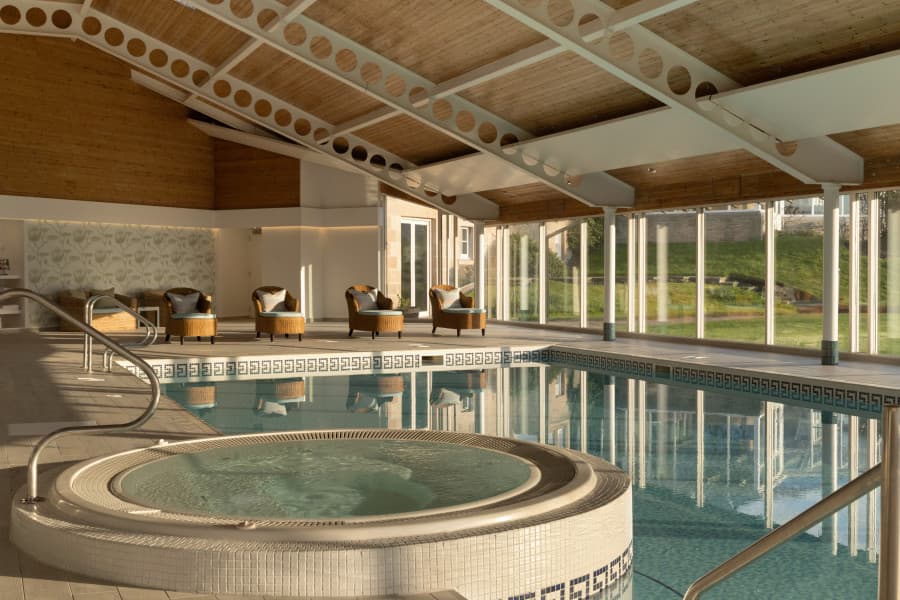


Spa jewels in Cheshire: Manor House Hotel, Alsager vs. Rookery Hall Hotel and Spa
Discover two favourite Cheshire’ spas to see which one is right for your next spa day or break.
Read full postA spa break can be one of the most nourishing ways to rest, restore and reconnect with ourselves, especially as we get older. However, in a youth-obsessed world, many people over 50 are unsure whether spa treatments will feel too intense, too unfamiliar, or simply not designed with their comfort in mind.
The reality of the spa world, though, is that these are places for everybody, offering a wide range of gentle, adaptable experiences that prioritise personalised wellbeing. Here, we look at just a few of the ways spa treatments can help you feel supported, comfortable and filled with confidence as part of a holistic approach to wellbeing at any age.
Gentle wellbeing is not a one-size-fits-all arena. What feels restorative at 55 may feel different at 75, and that’s perfectly natural. For example:
At every age, the core principle is the same, however, treatments should work with your body.
When looking through spa treatment menus, looking for therapies described as relaxing, restorative, or therapeutic rather than deep or vigorous is an obvious starting point. Some of the most popular treatment options include the following, with individual spas putting their own spin on them:
A favourite for many is aromatherapy massage, which uses light to moderate pressure combined with essential oils chosen for relaxation, sleep or mood. It’s adaptable, calming, and never needs to be forceful.
Performed while you remain fully clothed or comfortably covered, reflexology focuses on the feet and lower legs. Many people find it deeply relaxing and supportive for circulation without involving full-body pressure.
Hot stone massages and other gently heated treatments can gently relax muscles and joints. If you like warmth but dislike massage that’s too intense, this can be a lovely middle ground, just let your therapist know your comfort level when it comes to pressure.
Facials, scalp massages and head treatments (like the popular Japanese Head Spa) are often overlooked in favour of full-body therapies, but they can be deeply relaxing, offering a sense of indulgence and care.
One of the most important things to remember is that spa therapists want you to enjoy your treatment, and they know everyone has individual preferences, but they’re not mind readers. They will often ask you if pressure is ok in a massage, or if a product feels alright, but you’re also welcome to articulate how you feel.
You are always welcome to:
If you’re looking for a gentle spa experience, the treatments you choose and facilities you use make a difference to how you feel at the end of the day. For example, choose spaces and therapies that offer:
If you’re new to the spa world, a gentle spa day can be the perfect starting point. Many spas offer packages that include relaxation time, light treatments and unhurried schedules, and the Spabreaks.com team offers expert advice on where to go and what to do.
If you like this post, here are some similar ones that you might be interested in:
Discover two favourite Cheshire’ spas to see which one is right for your next spa day or break.
Read full postDiscover why a UK staycation is the ultimate cool-climate 'coolcation' spa getaway this summer, thanks to coastal, lake, and highland retreats.
Read full postIt’s hard not to enjoy a trip to the Lake District, complete with England's largest National Park and a UNESCO World Heritage Site it's brimming with natural beauty. With that backdrop, the scene is set for rest and relaxation, making it ideal for a spa break (or two).
Read full post
