




Spotlight on Quob Park Rose Quartz Spa
In a luxury manor house built in the 17th century, romantics and wellness enthusiasts can discover a world of wellbeing in the Hampshire countryside.
Read full postFrom forest bathing in ancient woodlands to outdoor pools fed by naturally filtered water, our craving for nature-led spa experiences is not a passing trend, but a recalibration of who we are.
As wellness travel evolves, there’s a noticeable shift happening, as we all seek a greater connection with nature. Forests, coastlines, lakes and open skies are becoming as essential to wellbeing as spa treatments themselves. For wellness travellers, outdoor lovers and slow-travel enthusiasts, integrating nature into a spa break now represents the most meaningful form of restoration.
From forest bathing in ancient woodlands to outdoor pools fed by naturally filtered water, this is not a passing trend, but a recalibration of who we are. As more of us seek to come back to our true selves, this need to notice, and immerse ourselves in natural surroundings, is a deep set feeling that is inherently linked to all layers of our wellbeing. So, what are the opportunities?
Forest bathing, or Shinrin-yoku, originated in Japan, but its principles translate seamlessly to England’s pleasant lands. It isn’t about exercise or hiking with a fitness purpose. Instead, it’s the intentional act of being in nature - slowing down, engaging the senses, and allowing the nervous system to reset.
Research shows that simply noticing nature, from the sound of leaves, to the patterns of the light, and birdsong, can measurably improve mood and emotional wellbeing. This supports what many travellers already feel intuitively - that nature doesn’t just create a pretty backdrop for wellness experiences, it drives them.
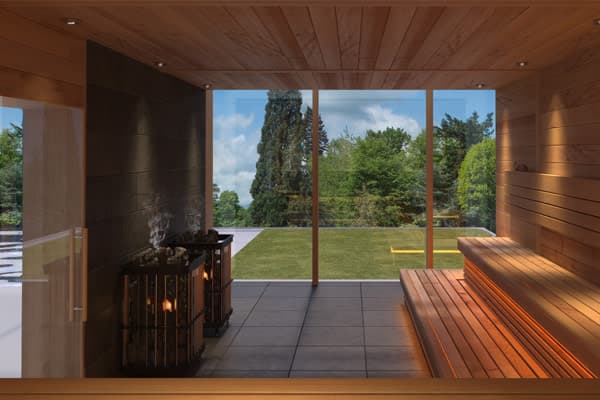
Eco-wellness retreats build on this idea by designing spa experiences that work with the landscape rather than against it — from woodland saunas to wild-edge meditation decks and outdoor thermal pools.
Nature-led wellness isn’t just a lovely thing to do, there’s also a fair amount of evidence to show it has a meaningful impact on our wellbeing.
Many spas take that inspiration and incorporate it into both indoor as well as outside spaces through thoughtful design. For example, many spa and wellness destinations consciously use natural light, organic materials, outdoor views and open-air layouts to amplify the benefits of your experience. When architecture mirrors nature’s rhythms, rather than isolating guests from them, wellbeing becomes even more intuitive.
Spas have always had a reverence for nature, but across the UK, they are increasingly using spaces beyond their four walls to proactively support the wellbeing experience. For example, recent years have seen a rise in:
From countryside escapes to coastal hideaways, outdoor wellness is no longer niche. It’s becoming central to how spa destinations differentiate themselves, especially as more of us seek authenticity, sustainability and a deeper connection to place when we travel.
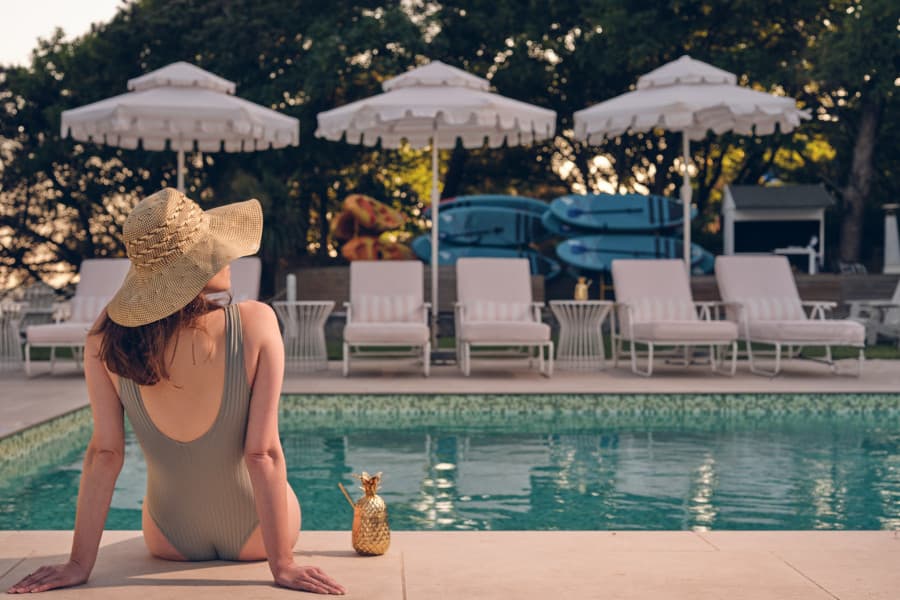
Outdoor pools deserve a special mention when it comes to enjoying nature as part of a spa experience, because there’s a particular delight to swimming in the open air - even if it’s in the rain. Whether you’re overlooking rolling hills or positioned beside the sea, outdoor pools embody the fusion of nature and nurture. Responding to a desire for elemental wellness — where water, air and landscape are active participants in the healing process, many spas now offer:
Importantly, this also aligns with sustainability goals that more of us are increasingly aware of. Low-chemical pools and natural filtration systems reflect a broader move toward environmentally sensitive luxury.
Almost every spa destination has its own unique qualities, and that applies to their connection with nature as well. When choosing a nature-integrated retreat, consider what that means to you. For example, you might look for:
Is the spa designed around its environment, or placed within it?
Consider pools, relaxation spaces and thermal areas that genuinely encourage time outside, as well as spas that offer practices like forest bathing.
Energy use, water systems and local sourcing all signal long-term commitment to eco-wellness.
Nature-led wellness thrives when there’s no rush, so take a look at the spa itineraries and make space to prioritise rest over schedules to deliver the greatest sense of connection.
Looking ahead, our prediction is that outdoor wellness experiences will continue to become a bigger part of spa experiences, increasingly integrated into the wellbeing offering. We might expect:
In short, nature is no longer an optional extra in wellness tourism; it’s the foundation.
In a world defined by speed, screens and overstimulation, outdoor wellness retreats offer something quietly radical - the permission to slow down and remember we’re part of the natural world.
Forest bathing, outdoor pools and eco-conscious spa design aren’t trends, but more of a return to true wellbeing, and increasingly, the most luxurious escapes aren’t just about what’s added, but what’s stripped away to make space for nature.
If you like this post, here are some similar ones that you might be interested in:
In a luxury manor house built in the 17th century, romantics and wellness enthusiasts can discover a world of wellbeing in the Hampshire countryside.
Read full postSometimes one golf course just isn't enough. Perhaps you're a pro and you want plenty of opportunity to challenge yourself during your weekend away. Maybe you're an enthusiastic beginner and you want to try your hand across the greens. These are the spa hotels with multiple golf courses and golf facilities on site.
Read full postThe days are shorter, the weather is colder, and the promise of the glitter and sparkle of Christmas is just around the corner. Whether you're looking for gifts or self-care, Spabreaks.com has a treat in store with self-care special offers that soothes mind, body and soul.
Read full post
